
When it comes to caring for the trees on your property, two words are often used interchangeably: trimming and pruning. At first glance, they may seem like the same task — cutting away parts of a tree to maintain its shape or health. However, trimming and pruning are distinct practices, each serving unique purposes for tree health, safety, and aesthetics.
For homeowners in North Carolina, understanding the difference between tree trimming and pruning is especially important. Trees in our region face heavy rains, strong winds, and seasonal storms that can put them — and your property — at risk. Choosing the right tree care practice can make all the difference in preventing damage, maintaining curb appeal, and ensuring long-term tree health.
In this article, we’ll break down the differences between trimming and pruning, explain why they matter, and show how professional tree services like NC Tree Experts can help keep your trees safe and beautiful year-round.
What Is Tree Trimming?
Tree trimming is primarily about shaping a tree for aesthetics and growth management. The process involves cutting back overgrown branches to maintain a desired appearance, encourage fuller growth, or prevent trees from encroaching on structures, power lines, or other plants.
Trimming is often performed on ornamental trees and shrubs to keep them looking neat, balanced, and visually appealing. Think of it as giving your tree a haircut — it’s about maintaining the look while promoting steady, healthy growth.
Benefits of Tree Trimming
- Improves appearance: Creates a cleaner, more polished look for your property.
- Encourages fuller growth: Strategic trimming can stimulate branches to grow in a more desirable direction.
- Prevents obstruction: Keeps branches from blocking driveways, sidewalks, or windows.
- Maintains property value: A well-maintained landscape enhances curb appeal.
What Is Tree Pruning?
Tree pruning is more focused on the health and safety of the tree. It involves selectively removing dead, diseased, weak, or hazardous branches. The goal of pruning is to improve a tree’s structure, reduce risks, and extend its lifespan.
Unlike trimming, pruning is not just about appearance — it’s about ensuring your tree remains strong and safe, especially during storms or high winds.
Benefits of Tree Pruning
- Enhances tree health: Removes diseased or insect-infested branches before they spread.
- Prevents property damage: Eliminates weak limbs that could fall on your home, car, or power lines.
- Improves safety: Reduces risks to family, neighbors, or passersby.
- Strengthens structure: Encourages strong, balanced branch development.
Key Differences Between Trimming and Pruning
While trimming and pruning may overlap in practice, their primary purposes differ:
- Goal
- Trimming: Aesthetics and growth control.
- Pruning: Health, safety, and structural integrity.
- Trimming: Aesthetics and growth control.
- Timing
- Trimming: Often done regularly throughout the year to maintain appearance.
- Pruning: Typically performed during dormant seasons or when problems arise.
- Trimming: Often done regularly throughout the year to maintain appearance.
- Tools Used
- Trimming: Hedge trimmers, shears, and sometimes saws.
- Pruning: Pruners, loppers, and specialized saws designed for targeted branch removal.
- Trimming: Hedge trimmers, shears, and sometimes saws.
- Frequency
- Trimming: Every few months, depending on tree growth.
- Pruning: Once or twice a year, or as needed for safety/health.
- Trimming: Every few months, depending on tree growth.
Why the Difference Matters
To the average homeowner, trimming and pruning may seem interchangeable. But doing the wrong type of cutting at the wrong time can harm your trees. For example, excessive trimming can stunt growth, while improper pruning may leave your tree vulnerable to pests or structural weakness.
In North Carolina, where trees frequently endure storms, hurricanes, and heavy winds, improper care can quickly escalate into costly damage. A branch left unpruned may break off during a storm, damaging your roof or car. Meanwhile, neglecting trimming could cause overgrown limbs to block visibility or interfere with utility lines.
By understanding the distinction, you’ll know when your trees need a cosmetic touch-up versus a health-focused intervention.
Best Times for Trimming and Pruning in North Carolina
The timing of trimming and pruning plays a big role in effectiveness:
- Tree Trimming: Can be performed anytime branches become overgrown, though many homeowners choose late spring or summer for shaping after seasonal growth.
- Tree Pruning: Best done in late winter or early spring when trees are dormant. This minimizes stress and reduces the chance of disease. Emergency pruning, of course, can happen year-round if branches pose a safety risk.
How Professionals Handle Trimming and Pruning
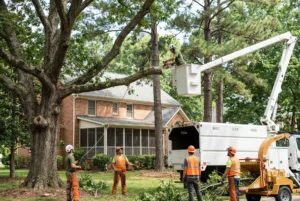
At NC Tree Experts, we tailor our approach depending on the type of service needed:
- For trimming: Our team shapes trees and shrubs with precision, making sure they complement your property’s landscape while preventing obstructions.
- For pruning: We carefully inspect each tree for weak, dead, or hazardous limbs, then remove them to improve health and prevent future risks.
We also follow industry best practices to avoid overcutting — a common mistake among DIY attempts that can stress or permanently damage trees.
The Risks of DIY Trimming and Pruning
While some homeowners may feel comfortable trimming a small shrub, attempting to trim or prune large trees without professional experience can be dangerous. Risks include:
- Personal injury: Falling from ladders or being struck by branches.
- Tree damage: Incorrect cuts can weaken trees or expose them to disease.
- Property damage: Misjudged cuts may cause branches to fall on roofs, cars, or power lines.
Hiring a professional ensures your trees are cared for safely and effectively, with the right equipment and knowledge.
Long-Term Benefits of Regular Trimming and Pruning
By combining trimming and pruning as part of a regular maintenance plan, homeowners can enjoy:
- Healthier, longer-living trees
- Lower risk of storm damage
- Increased curb appeal
- Improved safety for family and property
In rural areas, trimming also prevents trees from encroaching on driveways, fences, or farmland. In suburban neighborhoods, pruning reduces liability risks from falling branches.
Why Choose NC Tree Experts
Serving communities across North Carolina from Lexington to Raleigh, NC Tree Experts has over a decade of experience providing professional tree trimming and pruning services. What sets us apart?
- Fast service: Most jobs and estimates are completed within 1–2 days.
- Transparency: We’re upfront about pricing and scope of work.
- Competitive rates: High-quality service without inflated costs.
- Safety-first approach: Protecting your property and family is always our top priority.
When you call us, you’re getting more than a quick cut — you’re investing in the long-term health and safety of your property.
Conclusion
While tree trimming and pruning both involve cutting branches, they serve very different purposes. Trimming keeps your trees looking neat and manageable, while pruning ensures their health and safety. Both are vital for protecting your property, especially in storm-prone areas of North Carolina.
By partnering with professionals like NC Tree Experts, you can rest assured that your trees are not only beautiful but also strong, safe, and prepared to withstand the challenges of our region’s weather.
Don’t wait until an overgrown limb or a dead branch becomes a hazard — schedule your trimming and pruning services today to keep your property safe and your trees thriving.