Trees add beauty and shade to your property—but when a tree becomes unstable, it can quickly turn into a serious safety hazard. In North Carolina, high winds, heavy rain, saturated soil, and sudden storms can cause trees to fail with little warning. When that happens, the consequences can be severe: damaged homes, blocked driveways, power outages, and even injuries.
Knowing the warning signs of a failing tree—and acting quickly—can make all the difference. In this guide, we’ll walk through the most common signs a tree is about to fall, why these issues are especially dangerous in North Carolina, and what homeowners should do immediately to protect their property and family.
Why Trees Fail in North Carolina
North Carolina’s weather creates unique challenges for tree stability. Our region experiences:
- Heavy rain that saturates soil
- Strong wind gusts from thunderstorms and tropical systems
- Occasional ice and winter storms
- Sudden temperature shifts
These conditions weaken root systems and increase stress on trunks and branches, especially in older or compromised trees.
Leaning Trees That Weren’t Leaning Before
A tree that suddenly starts leaning is one of the most urgent warning signs.
If you notice:
- A new or worsening lean
- Soil lifting at the base
- Exposed roots on one side
This may indicate root failure. In saturated North Carolina soils, trees can lose their grip quickly—especially after storms.
A leaning tree should always be evaluated immediately.
Cracks in the Trunk or Major Limbs
Visible cracks along the trunk or large branches signal structural weakness. These cracks may widen over time or worsen after storms.
Common causes include:
- Internal decay
- Wind stress
- Previous storm damage
Once the structural integrity is compromised, failure can happen suddenly and without further warning.
Mushrooms or Fungal Growth at the Base
Fungal growth around the base of a tree often indicates internal rot. While the exterior may look healthy, decay inside the trunk or roots weakens the tree’s ability to support itself.
This type of damage is especially dangerous because it’s often hidden until failure occurs.
Dead or Falling Branches
Large dead branches—especially high in the canopy—are a major risk. These limbs can break off without warning, particularly during wind or rain.
Warning signs include:
- Branches without leaves during growing season
- Brittle or cracking wood
- Frequent falling limbs
Dead wood increases the likelihood of sudden breakage.
Soil Heaving or Cracking Around the Base
After heavy rain, check the soil around your trees. Uplifted soil, cracks, or gaps may indicate root movement.
In North Carolina’s clay-heavy soils, saturated ground reduces stability and increases the chance of uprooting during storms.
Hollow or Decayed Trunks
Trees with hollow sections or visible decay are far weaker than they appear. While some hollow trees can remain stable for years, others fail unexpectedly.
Professional evaluation is critical when decay is present.
Recent Storm Damage or Lightning Strikes
Storms can cause damage that isn’t immediately obvious. Lightning strikes, high winds, and heavy rain can compromise internal structure or root systems.
If your tree was hit or stressed during a recent storm, it should be inspected—even if it’s still standing.
Why Delaying Action Is Dangerous
Many homeowners delay action because a tree hasn’t fallen yet. Unfortunately, this often leads to emergency situations.
Delaying can result in:
- Damage to roofs, fences, or vehicles
- Blocked driveways or roads
- Power line interference
- Higher removal costs during emergencies
Proactive action is almost always safer and more affordable.
What to Do Immediately If You Notice Warning Signs
If you suspect a tree is unstable:
- Keep people and vehicles away
- Avoid attempting DIY trimming
- Contact a professional tree service
- Document visible damage
Fast response reduces risk and prevents escalation.
Why Emergency Tree Services Matter
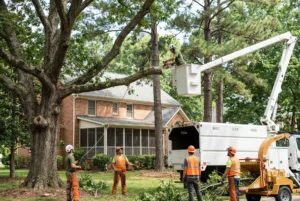
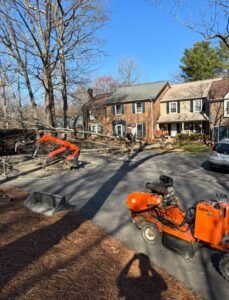
Emergency tree removal is about safety—not convenience. Professionals have the equipment and experience needed to:
- Secure unstable trees
- Remove hazardous limbs
- Prevent further damage
NC Tree Experts offers 24/7 emergency response throughout Lexington, Greensboro, Raleigh, and surrounding areas.
Why DIY Is Especially Risky in Emergencies
Unstable trees behave unpredictably. Attempting DIY removal increases the risk of injury or property damage.
Emergency situations demand:
- Proper safety gear
- Controlled cutting techniques
- Team coordination
This is not a job for ladders or chainsaws without training.
How Professionals Assess Risk
Experienced crews evaluate:
- Root stability
- Internal decay
- Tree lean and load
- Surrounding structures
This assessment determines the safest removal or stabilization approach.
How Storm Patterns Increase Risk in NC
North Carolina’s storm cycles create repeated stress on trees. Even healthy trees can become unstable after:
- Multiple storms
- Prolonged rainfall
- Wind gusts
This cumulative damage often leads to failure later—not immediately.
Why Local Experience Matters
Local professionals understand:
- Regional soil conditions
- Common tree species
- Typical storm damage patterns
This experience leads to faster, safer decisions.
When a Tree Is an Emergency
A tree should be treated as an emergency if it:
- Is leaning toward a structure
- Has cracked or split sections
- Is tangled in power lines
- Is uprooted or partially fallen
In these cases, immediate professional help is critical.
Peace of Mind Starts With Action
Recognizing the warning signs early can prevent costly damage and keep your family safe. Trees rarely fail without giving some indication—it’s up to homeowners to act before it’s too late.
Get Emergency Tree Help Now
If you’re concerned about a tree on your property, don’t wait. NC Tree Experts provides fast, professional emergency tree services across North Carolina—24/7.
Contact us now for immediate assistance and protect your home before damage occurs.