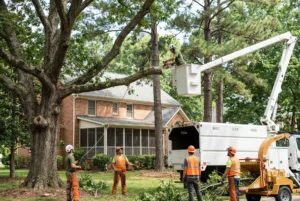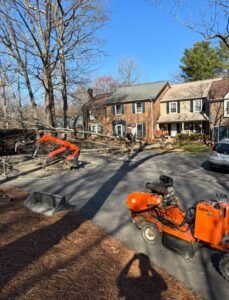
Severe weather events such as storms, high winds, heavy rain, or ice can leave lasting effects on the trees around your property. Trees are a vital part of your landscape, providing shade, aesthetic appeal, and environmental benefits, but they can also pose risks if damaged. A tree weakened by weather can threaten your home, driveway, power lines, or other structures, making it essential to evaluate its health before the situation worsens. While professional tree services like NC Tree Experts are available for emergency response, knowing how to assess tree health after a storm can help you take timely action and prevent further damage.
Step 1: Safety First
Before approaching any tree that has been exposed to severe weather, prioritize safety. Look for obvious hazards such as hanging branches, broken limbs, or leaning trees that could fall. Ensure the area is free from power lines or other dangerous obstacles. Wear protective gear including gloves, a hard hat, and sturdy shoes if you plan to get close for inspection. If there is any doubt about the tree’s stability or the presence of hazards, contact a professional immediately. Homeowners in Raleigh, Greensboro, Lexington, and surrounding areas often rely on local emergency tree services for safe and efficient handling of dangerous trees after storms.
Step 2: Examine the Trunk
The trunk is a key indicator of a tree’s health and structural integrity. After a storm, check for cracks, splits, or missing bark, which can indicate internal damage. Look for signs of leaning or unusual bending that may suggest compromised roots. A tree with a damaged trunk may not be able to support itself during future storms, increasing the risk of falling. Document any damage you observe and consider taking photos to provide to a professional if needed for insurance purposes or repair planning.
Step 3: Inspect the Roots
Roots anchor the tree and provide stability, but heavy rain, flooding, or saturated soil can undermine them. Examine the soil around the base of the tree for erosion, exposed roots, or signs of uprooting. If a tree appears to have lifted or shifted in the soil, it may be at high risk of falling, even if the trunk and branches seem intact. Early detection of root damage allows homeowners to take immediate action before the situation worsens, potentially saving both the tree and surrounding property.
Step 4: Check the Canopy
The canopy, or the upper branches and foliage of a tree, can reveal subtle signs of stress or damage. Look for broken, hanging, or missing branches. Pay attention to stripped bark, damaged leaves, or clusters of dead leaves, which can indicate internal injury. A tree with a compromised canopy may have reduced structural stability and could be prone to breaking during future wind events. Identifying damaged branches early allows for pruning or removal to protect the rest of the tree and nearby structures.
Step 5: Assess for Disease or Pests
Storm-damaged trees are more vulnerable to disease and pests. Inspect the trunk, branches, and leaves for fungal growth, insect infestations, or unusual discoloration. Damage to the bark or canopy can create entry points for pathogens, accelerating tree decline. Early detection of these issues allows for treatment, whether through pruning, chemical applications, or professional intervention. Maintaining tree health after a storm helps prevent further weakening and ensures your landscape remains safe and visually appealing.
Step 6: Evaluate Structural Stability
Even if a tree looks healthy, structural issues may not be immediately visible. Check for any signs of stress, such as uneven weight distribution in branches, leaning angles, or trunk deformities. These structural weaknesses can become critical during subsequent storms, potentially causing the tree to fall or drop heavy limbs. Consider using a level or measuring tape to check the angle of lean, or seek the expertise of a certified arborist who can perform a professional assessment.
Step 7: Document Your Findings
Keeping detailed records of storm damage is important for both safety planning and insurance purposes. Take photos from multiple angles, note any areas of concern, and create a log of observations. This documentation can help professionals understand the extent of damage, prioritize interventions, and support any insurance claims you may need to file. Clear records allow for efficient communication with emergency tree service providers, ensuring timely and effective solutions.
Step 8: Decide When to Call a Professional
While some minor damage can be managed with pruning or debris removal, many storm-damaged trees require professional evaluation. Trees with compromised roots, leaning trunks, large broken limbs, or signs of disease should not be handled by homeowners. Emergency tree services, such as those offered by NC Tree Experts in Raleigh, Greensboro, Lexington, and surrounding areas, have the equipment, expertise, and safety protocols to manage dangerous trees efficiently. Prompt professional intervention can prevent property damage, injury, or total tree loss.
Step 9: Prioritize Safety and Timing
Not all tree damage is immediately dangerous, but waiting too long can increase the risk of collapse. Prioritize trees that pose the highest threat to structures, vehicles, or people. If multiple trees are damaged, address the most critical cases first, and schedule professional services promptly. Timing is particularly important in regions prone to consecutive storms, as a weakened tree may not withstand additional weather events.
Step 10: Consider Preventive Measures
After evaluating storm damage, consider preventive measures to reduce future risk. Regular pruning, grading to manage drainage, and planting trees in appropriate locations can minimize hazards. Removing dead or diseased trees before storms hit is another proactive approach. Homeowners who invest in preventive tree care often experience fewer emergencies, lower repair costs, and safer properties.
Conclusion: Protect Your Home and Trees
Severe weather can significantly impact the health and stability of trees around your property. Evaluating tree health after a storm is essential for protecting your roof, foundation, and overall safety. By following a systematic approach—prioritizing safety, inspecting trunks, roots, and canopies, documenting damage, and knowing when to call professionals—homeowners can address potential hazards before they escalate.
NC Tree Experts has been serving homeowners in Lexington, Greensboro, Raleigh, and surrounding areas since 2014, offering professional tree inspections, emergency removal, and storm cleanup services. With years of experience, trained crews, and modern equipment, they provide fast, safe, and reliable solutions for storm-damaged trees. Whether it’s removing dangerous limbs, clearing debris, or assessing overall tree health, their team ensures your property is safe and your trees are properly cared for.
Don’t wait until a small problem becomes a major emergency. Use this step-by-step guide to evaluate your trees after severe weather, and contact NC Tree Experts for professional support whenever needed. Protecting your trees now can save your home, prevent costly repairs, and maintain the beauty and safety of your landscape for years to come.